
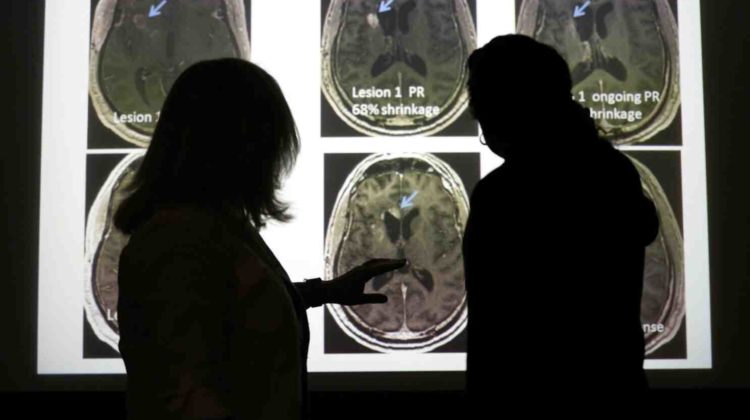
One of the largest biotechnology centers in the United States is located in San Diego. We listed five private biotechnology companies in San Diego that recently conducted large rounds of venture capital.
Boasting sunny weather and beautiful beaches, the city of San Diego, California, has become a huge center for biotechnology companies. It competes with other major US biotechnology centers, including San Francisco, Research Triangle Park in North Carolina, and Boston.
The San Diego Center is home to many prestigious life science institutions, including the University of California, San Diego (UCSD), Scripps Research, and the Salk Institute. There are also many biotech and pharmaceutical giants present in the area, such as Pfizer, Illumina, and Thermo Fisher Scientific.
San Diego has many private biotechnology companies working on innovative innovations, many of which are located in the La Jolla area. They are driven by investments from life science venture capital (VC) companies, including local players Boxer Capital LLC and Takeda Ventures Inc. One of the most exciting rising stars around is the drug development company Vividion Therapeutics, Inc. by Bayer AG for $ 1.5 billion in 2021.
Here we have listed some of the hottest private biotech companies in San Diego, with an emphasis on the ones that have recently picked up massive VC rounds and are developing innovative technology in the life sciences field.
Artiva Biotherapeutics
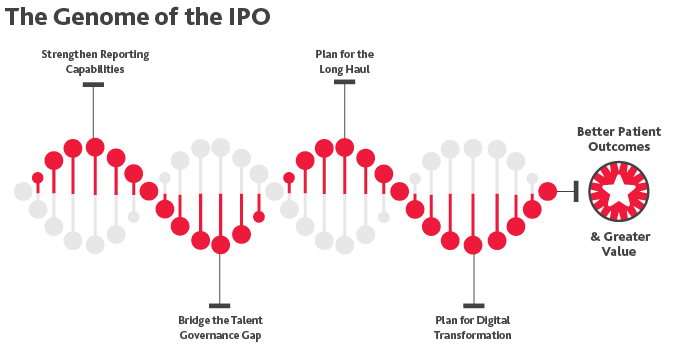
Artiva Biotherapeutics Inc. specializes in developing cell therapies for cancer that are based on a type of cancer-hunting immune cells called NK cells. Although approved CAR-T cell therapies for cancer treatment take cells from the patient – a lengthy and costly process – Artiva is developing its NK cell therapies from donated umbilical cord blood cells, meaning the production process is cheaper and therapy can be delivered quickly to patient.
Artiva is funding the development of its cell therapies with $ 120 million of B-series funding raised in early 2021.
The company’s lead candidate therapy is currently in Phase 1/2 of an attempt to treat a form of late-stage blood cancer called B-cell non-Hodgkin’s lymphoma. In this study, cell therapy is given either as monotherapy or in combination with the antibody drug rituximab (Rituxan).
Other Artiva candidates include CAR-NK cell therapy for treating solid tumors – beyond the reach of current CAR-T therapies – and another for treating specific forms of B-cell tumors.
Aspen Neuroscience
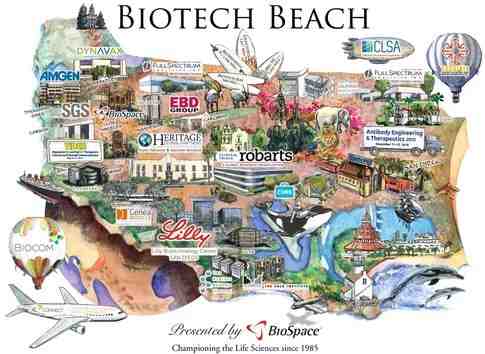
Aspen Neuroscience, Inc. was founded by a research group at Scripps Research. The company develops cell replacement therapies that are tailored to individual patients with neurological conditions. Cell therapies are derived from patients’ skin cells, which are then reprogrammed in the laboratory to become induced pluripotent stem cells that can mature into new neurons.
Aspen raised a whopping $ 147.5 million in its Series B Round in May 2022 with the mission of fueling the development of its leading cell therapy to fight Parkinson’s disease by replacing the nerve cells that were killed by the disease. The company is gearing up to test Phase 1 / 2a therapies.
While many stem cell therapies are being developed for the treatment of Parkinson’s disease, many are from healthy donors, which can lead to rejection of the transplant by the immune system. Aspen’s approach of sourcing cells from the patient can avoid this immune rejection and facilitate the success of the transplant.
Another candidate being developed in Aspen is cell replacement therapy for Parkinson’s disease, which has been genetically altered so that the cells do not contain the Parkinson’s disease risk factor genes.
Element Biosciences
The Home Element of Biosciences is focused on the development of genetic analysis tools and one of the main offerings is AVITI: a laboratory sequencer designed for fast, cheap and flexible reading of DNA. This puts Element against rivals of DNA sequencing such as its neighbor Illumina.
Element Biosciences raised a gigantic $ 276 million C Series in 2021 to fund the development of sequencing and genomics technology.
Genome sequencing has become faster and cheaper for several decades, and has also played a key role in uncovering the mysteries of the coronavirus responsible for COVID-19 and unlocking the advancement of precision medicine in cancer treatment.
The element is intended to further support development. The company acquired Loop Genomics earlier this year to expand its sequencing types. He has also collaborated with many companies on genomics projects in recent years, with recent examples including 10x Genomics and Fabric Genomics.
National Resilience
Also known as Resilience, National Resilience, Inc was founded in 2020 in response to the COVID-19 pandemic in which the United States struggled with an increased demand for health products.
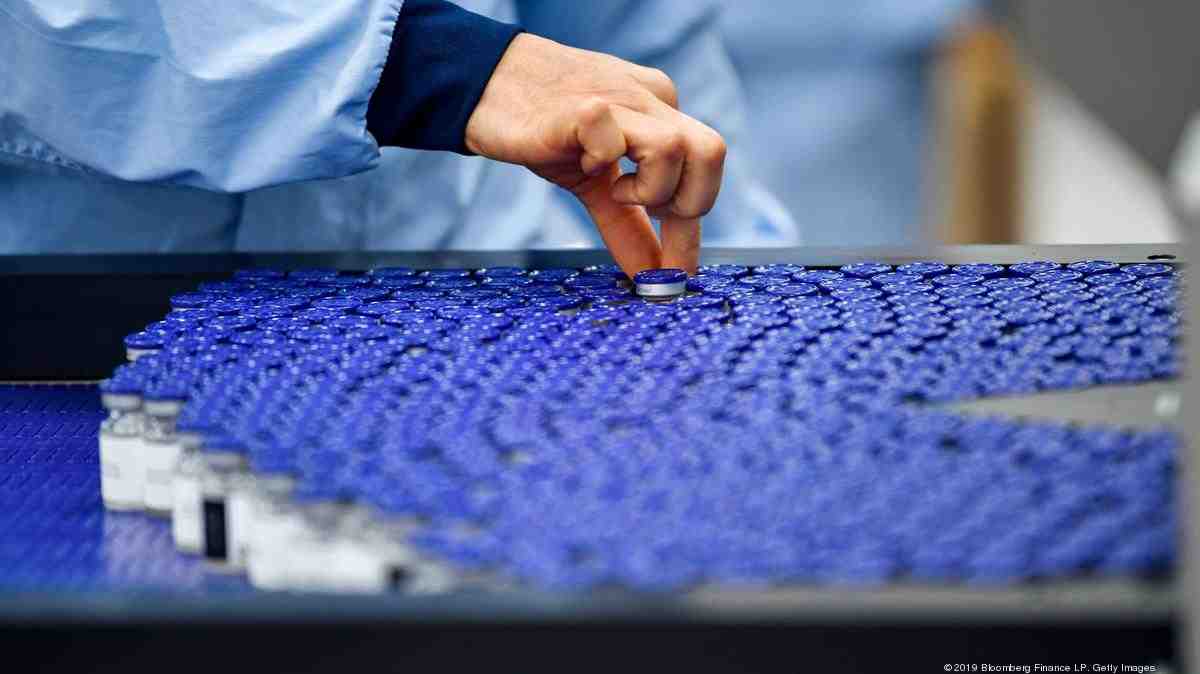
Resilience amassed one massive $ 600 million Series C funding in 2021 and supplemented in June 2022 with a staggering $ 625 million Series D round. The company uses the effects of increasing muscle production for cell and gene therapies. It also aims to use cell-free technologies to produce cheaper biological drugs such as antibodies.
In August 2022, Resilience teamed up with the non-profit Mayo Clinic to provide manufacturing services for biological therapies such as enzyme, blood, gene and genetically modified cell treatments.
RayzeBio
RayzeBio is relatively new to the flourishing field of radiopharmaceuticals. The company raised its eyebrows in 2021 when it raised its $ 108 Series C round to fund the development of preclinical therapies for solid tumors based on radioactive particles like actinium-225.
The radioactivity released by actin-225 has a very short range of just a few cell widths. When tumor-seeking RayzeBio drugs bind to a tumor target, the strong short-range radiation of actinium-225 can destroy nearby cancer cells, sparing healthy tissue further away from the tumor.
In early August 2022, RayzeBio expanded a strategic partnership with Japanese player Peptidream to jointly develop radiopharmaceuticals that are made by attaching radioactive molecules to peptide drugs that search for tumors.
What is this biotechnology?
Biotechnology is a field of applied science that uses living organisms and their derivatives to produce products and processes. These products and processes are used in healthcare, medicine, biofuels and environmental safety.
What are examples of biotechnology? Biotechnology is of particular importance in the medical field where it facilitates the production of therapeutic proteins and other drugs. Synthetic insulin and synthetic growth hormone, as well as diagnostic tests for the detection of various diseases, are just some examples of the effects of biotechnology on medicine.
What are the 4 types of biotechnology?
Today, the five branches of modern biotechnology – human, environmental, industrial, animal and plant – help us fight hunger and disease, produce safer, cleaner and more efficiently, reduce our ecological footprint and save energy.
Which type of biotechnology is best?
Here is a list of the best biotechnology courses to consider:
- MSc in Industrial and Environmental Biotechnology.
- MSc in Biodiversity and Marine Biotechnology.
- MSc in Pharmaceutical Biotechnology.
- MSc in Molecular Biotechnology.
- PhD in Biotechnology.
- PhD in molecular biology and biotechnology.
What are the 4 main areas of biotechnology?
Biotechnology is applicable in four main industrial areas, including healthcare (medicine), plant production and agriculture, non-food (industrial) applications of crops and other products (e.g. biodegradable plastics, vegetable oils, biofuels) and environmental applications.
What is this biotechnology used for?
Biotechnology has the potential to create novel diagnostic methods, vaccines, drugs and other medical countermeasures needed to detect, prevent and treat infectious diseases.
How is biotechnology used today?
Today, biotechnology is used in countless fields, including agriculture, clinical applications, bioremediation, and forensics, where DNA sequencing is common practice. Both industry and medicine use PCR techniques, immunoassays, and recombinant DNA technology.
What are 3 ways we use biotechnology?
Here’s how biotechnology relates to our daily lives.
- Biofuel. …
- Vaccinations. …
- Bioremediation. …
- Pest-resistant crops. …
- Environmental Engineers. …
- Cheese production. …
- Alcoholic drinks. …
- Bio-protection and Public Safety.
Where are the biggest biotech hubs?
Northern California claims to be the largest concentration of biotech companies in the country. According to the San Francisco Center for Economic Development, the Bay Area is home to approximately 1,377 life science and biotechnology companies, employing more than 140,000 people.
What is the largest biotechnology company in the world? The largest biotechnology companies in the world
- Johnson and Johnson. The largest biotechnology company in the world is Johnson & Johnson, founded in 1885 as a supplier of ready-to-use surgical dressings. …
- Pfizer. Pfizer is the second largest biotechnology company in the world. …
- Roche. …
- Novartis.
Where are the biotech hubs of the world?
While there are biopharmaceutical companies nationwide, the two largest centers for biotechnology companies are in Boston and San Francisco. The US pharmaceutical market accounts for 45 percent of the world market.
Where are biotech hubs located?
Los Angeles and San Diego, California In addition to San Francisco, Los Angeles and San Diego are also ideal cities for biotech companies. According to data published in 2019 by the Biocom Economic Impact Report, California is home to three biotechnology and pharmaceutical centers – San Francisco Bay Area, San Diego and Los Angeles.
What is the biotech capital of the world?
South San Francisco, home to the world’s largest biotechnology campus with more than 210 biotechnology companies, is the world capital of biotechnology. For 40 years, South San Francisco has been committed to innovation and is a strong supporter of the biotechnology industry.
What is the biotech capital of the world?
South San Francisco, home to the world’s largest biotechnology campus with more than 210 biotechnology companies, is the world capital of biotechnology. For 40 years, South San Francisco has been committed to innovation and is a strong supporter of the biotechnology industry.
What is the number 1 biotech company?
| # | Name | 1d |
|---|---|---|
| 1 | Johnson & Johnson 1JNJ | 0.48% |
| 2 | Eli Lilly 2LLY | 1.90% |
| 3 | Pfizer 3PFE | 0.72% |
| 4 | Roche 4ROG.SW | 0.92% |
Is Boston the biotech capital of the world?
With over 1,000 biotech companies calling their home the Greater Boston area, the capital of Massachusetts has become the world’s largest biotechnology center, generating some of the world’s most innovative advances in drug manufacturing and diagnostics.
What biotech companies are in Southern California?
| California – San Diego | |
|---|---|
| Leucadia Pharmaceuticals | California – Karlsbad |
| Lineage Cell Therapeutics | California – Karlsbad |
| Lumos diagnostics | California – Karlsbad |
| MediCell Technologies | California – Karlsbad |